
Artificial intelligence is no longer a concept of the future—it is actively reshaping how the world works. From customer service chatbots to automated data analysis and even AI-generated content, technology is rapidly changing the job market. This shift has raised an important question for millions of workers and students: what jobs are safe from AI?
While it is true that AI is replacing repetitive and predictable tasks, it does not mean the end of human careers. Instead, it is creating a clear divide between jobs that can be automated and AI proof jobs that continue to require uniquely human abilities. These include creativity, emotional intelligence, leadership, ethical judgment, and complex decision-making.
The reality is simple: AI is powerful, but it is not human.
Some roles will be heavily impacted, and many people are asking what jobs will AI replace or which jobs will AI replace in the coming years. At the same time, others are searching for AI proof careers and future proof jobs that will remain stable in the age of automation.
This article explores the best AI proof jobs for the future, explains why they are safe, and helps you understand jobs that will survive AI so you can make smarter career decisions in an increasingly automated world.
If you need reliable local transport, our Puttenham Taxi Services offer quick and comfortable rides anytime.
What Are AI Proof Jobs?
AI proof jobs are careers that cannot be fully replaced or automated by artificial intelligence because they require human intelligence, emotional understanding, creativity, or physical adaptability.
In simple terms, these are roles where machines can assist—but not replace humans.
When people search for what are AI proof jobs or jobs that AI can’t replace, they are usually referring to professions that involve:
- Human empathy and emotional connection
- Leadership and responsibility
- Creative thinking and innovation
- Real-world physical tasks
- Complex problem-solving in unpredictable situations
These roles are often described as AI safe jobs or jobs least likely to be replaced by AI.
For example, while AI can generate medical reports or assist in diagnostics, it cannot replace a doctor’s human judgment or emotional care for patients. Similarly, AI can support designers, but it cannot fully replace human imagination and storytelling.
That is why AI proof jobs remain essential in every industry. They represent careers where humans stay at the center of decision-making, even in an AI-powered world.
You can easily pre-book a taxi Guildford to Stansted for early morning or late-night flights.
Why AI Cannot Replace Every Job
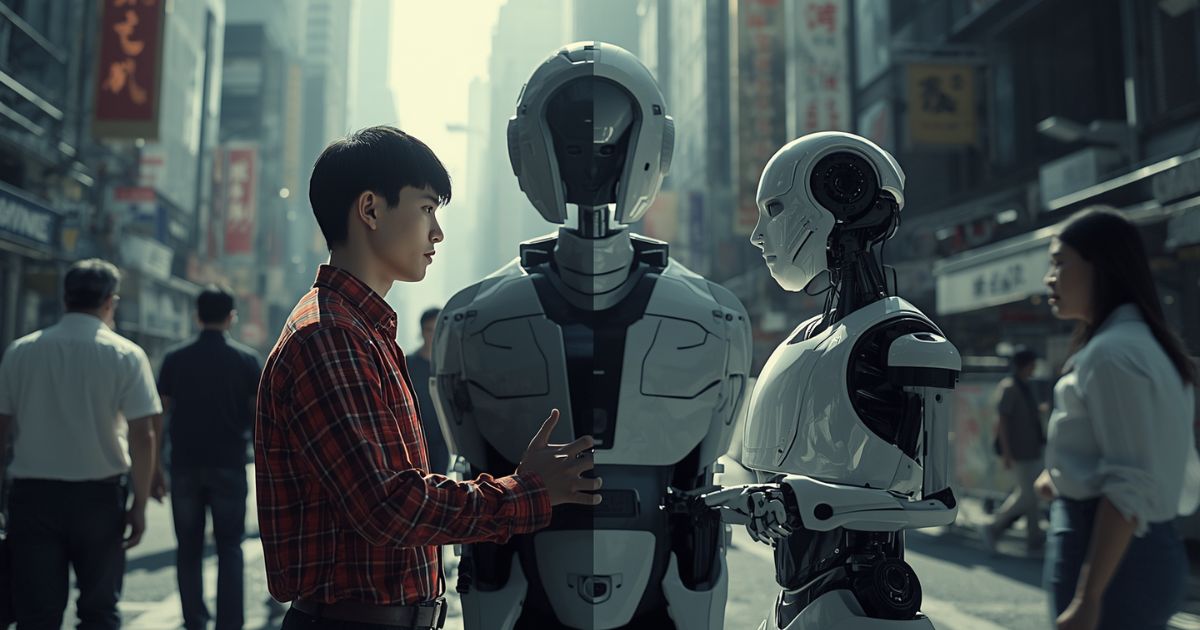
Despite rapid technological advancement, AI has clear limitations. Understanding these limitations helps explain why some jobs are safe from AI and others are not.
1. Emotional Intelligence
AI cannot truly understand human emotions. It can simulate responses, but it cannot feel empathy, compassion, or emotional connection. Jobs that require emotional intelligence—such as therapy, teaching, or caregiving—remain human-driven.
2. Complex Human Decision-Making
Many professions require ethical judgment and situational awareness. For example, judges, lawyers, and leaders must interpret laws, values, and human behavior in ways AI cannot fully replicate. This raises ongoing debates like will AI replace lawyers, but the answer is that AI will assist—not replace—legal professionals.
3. Physical and Unpredictable Environments
Jobs that involve real-world physical activity, such as construction or plumbing, are difficult to automate due to unpredictable environments. Robots still struggle with flexibility in complex physical settings.
4. Ethical and Legal Responsibility
AI cannot take responsibility for its decisions. In critical fields like healthcare or law enforcement, humans must remain accountable for outcomes.
5. Creativity and Innovation
While AI can generate ideas, it lacks true originality. Creativity in writing, design, marketing, and entrepreneurship remains deeply human.
Because of these limitations, many careers that will survive AI continue to rely on human intelligence and adaptability.
Best AI Proof Jobs for the Future (Main Section)

1 Healthcare Professionals
Healthcare is one of the strongest categories of AI proof jobs.
Examples include:
- Doctors
- Nurses
- Surgeons
- Therapists
Even though AI can assist with diagnosis and imaging, it cannot replace human care.
Why these are safe:
- Patients need emotional support and trust
- Medical decisions often require real-time human judgment
- Complex surgeries and emergency care need human control
Healthcare is also one of the highest paying jobs in the world, especially in specialized fields like surgery and psychiatry.
2 Skilled Trades and Technical Workers
Examples:
- Electricians
- Plumbers
- Car mechanics
- Construction workers
These are classic jobs that AI can’t replace because they require physical presence and problem-solving in unpredictable environments.
Why safe:
- No two job sites are the same
- Requires hands-on technical skill
- Machines cannot adapt easily to real-world physical complexity
Even in a highly automated world, these remain essential AI safe jobs.
3 Teachers and Education Professionals
Examples:
- Teachers
- Early childhood educators
- Special education instructors
Education is deeply human.
Why AI fails here:
- Students need emotional support and motivation
- Teachers adapt based on individual learning needs
- Classroom management requires human empathy
AI may assist in education, but it cannot replace human mentorship.
These roles are strong examples of jobs that will survive AI.
4 Creative Professionals
Examples:
- Writers
- Designers
- Filmmakers
- Marketing strategists
Even though AI tools can generate content, human creativity remains unmatched.
Why safe:
- Original storytelling requires human experience
- Branding and emotional connection depend on human insight
- Creative direction involves cultural understanding
This category is often debated when people ask what jobs will AI not replace, but creativity remains one of the strongest human advantages.
5 Legal and Law Enforcement Roles
Examples:
- Lawyers
- Judges
- Police officers
- Investigators
There is ongoing debate about will AI replace lawyers, but the legal system is based on interpretation, ethics, and human judgment.
Why safe:
- Laws require interpretation, not just data processing
- Ethical responsibility cannot be automated
- Court decisions involve complex human context
AI may assist legal research, but it will not replace human authority.
6 Business and Leadership Roles
Examples:
- Entrepreneurs
- Managers
- HR professionals
- Consultants
These roles are deeply connected to human decision-making and strategy.
Why safe:
- Leadership requires emotional intelligence
- Negotiation and persuasion are human skills
- Strategic thinking depends on unpredictable markets
Even in an automation business environment, human leadership remains critical.
7 Mental Health and Social Care
Examples:
- Psychologists
- Counselors
- Social workers
These are among the most important AI proof careers.
Why safe:
- Emotional trust is essential
- Clients need real human connection
- Therapy requires deep empathy and understanding
AI cannot replicate human healing relationships.
Skills Needed to Stay AI-Proof
To succeed in the future job market, it is not enough to choose the right career—you must also build the right skills.
Key skills include:
- Emotional intelligence
- Critical thinking
- Communication skills
- Adaptability
- Creativity
- Problem-solving
These skills define jobs that will survive AI and are essential for anyone seeking future proof jobs.
The more human-centered your skill set is, the more secure your career becomes in an AI-driven economy.
How to Prepare for an AI-Driven Job Market
The future of work is not about competing with AI—it is about collaborating with it.
Here’s how to prepare:
- Learn human-centered skills that AI cannot replicate
- Combine technical knowledge with soft skills
- Stay updated with AI tools instead of resisting them
- Focus on industries where humans are essential
- Explore AI proof careers early in your education or training
Many people fear what jobs will AI replace, but the better question is: how can you evolve with technology?
Even industries like automation business are growing rapidly, but they still require human strategy, creativity, and leadership.
Future Outlook: Will Any Job Be 100% AI Proof?

The truth is that no job is completely immune to AI. However, many roles are highly resistant to full automation.
Most future workplaces will not be AI-only or human-only—they will be hybrid environments where AI assists humans.
Key insights:
- Most jobs will be AI-assisted, not fully replaced
- The safest careers combine human + AI collaboration
- Adaptability matters more than job title
- Jobs least likely to be replaced by AI are those requiring human judgment and empathy
Instead of asking what jobs are safe from AI, the better approach is to focus on jobs that will survive AI through adaptation and skill development.
Conclusion
Artificial intelligence is transforming the global workforce, but it is not eliminating the need for human talent. While some roles will be automated, many AI proof jobs will continue to thrive.
The most secure careers are those that rely on emotional intelligence, creativity, leadership, and real-world problem-solving. Whether in healthcare, education, law, skilled trades, or mental health, these roles represent the foundation of a human-centered economy.
Instead of fearing automation, individuals should focus on building AI proof careers and developing skills that machines cannot replicate.
Ultimately, the future belongs not to humans or AI alone—but to those who learn how to combine both effectively.
FAQs –
1. What are AI proof jobs?
AI proof jobs are careers that are unlikely to be fully replaced by artificial intelligence because they require human creativity, emotional intelligence, physical skills, and complex decision-making. These include roles like doctors, teachers, therapists, skilled trades workers, and leadership positions.
2. What jobs are safe from AI?
Jobs that are safe from AI typically involve human interaction, empathy, and real-world adaptability. Examples include healthcare professionals, educators, psychologists, lawyers, construction workers, and creative professionals like writers and designers.
3. What jobs will AI replace?
AI is most likely to replace repetitive, data-driven, and predictable jobs such as data entry, basic customer service, telemarketing, simple accounting tasks, and some administrative roles. These are tasks that do not require deep human judgment.
4. Which jobs will AI replace the most?
Jobs with routine tasks and structured workflows are most at risk. This includes clerical work, basic content generation, manufacturing line jobs, and some entry-level IT support roles.
5. What jobs will not be replaced by AI?
Jobs that will not be replaced by AI include those requiring empathy, creativity, leadership, and physical adaptability. Examples include doctors, nurses, teachers, therapists, engineers in the field, and skilled trades like electricians and plumbers.